




A, B, C, D
Artichoke extract
What is it?
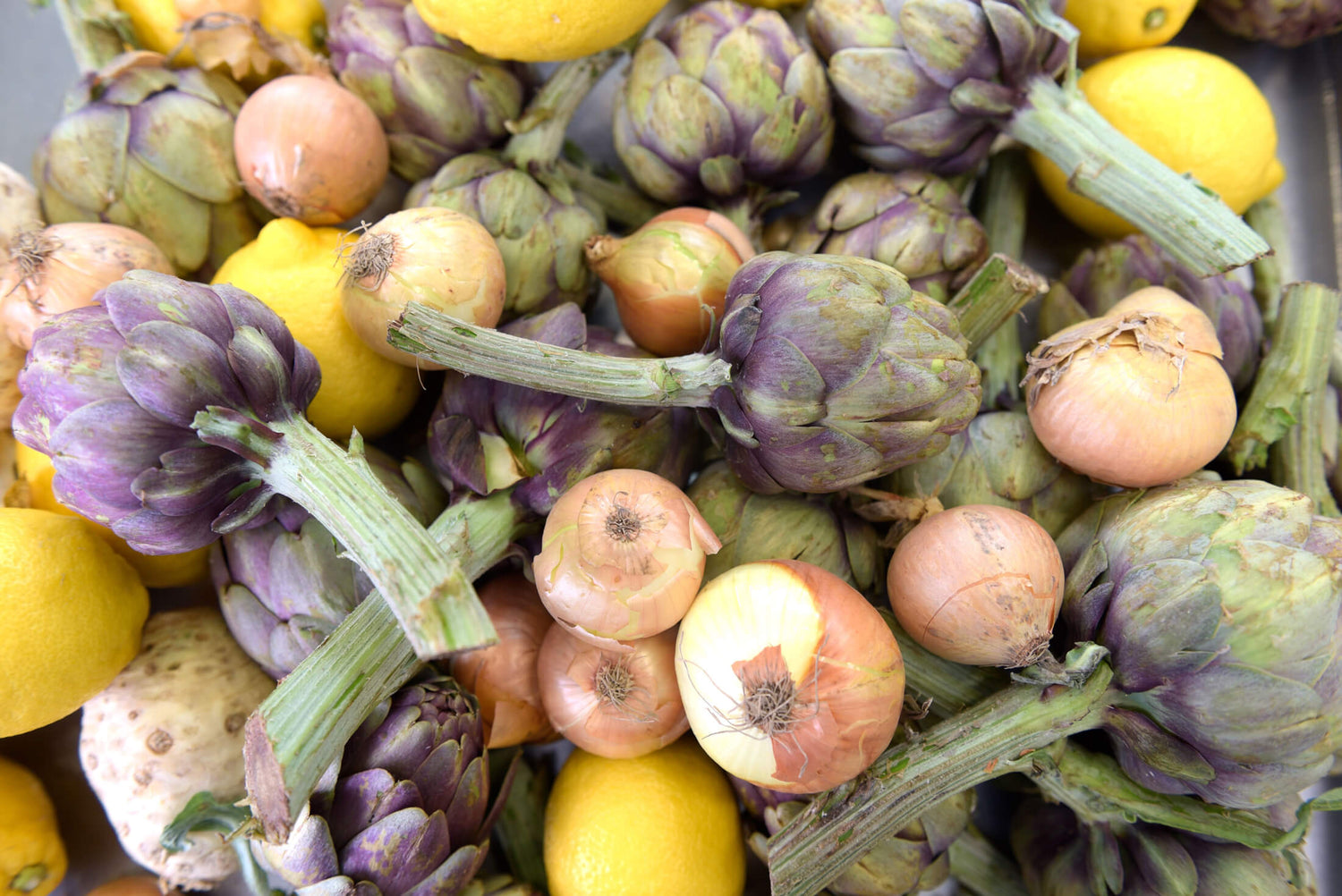
The artichoke is an ancient medicinal plant belonging to the daisy family (Asteraceae). Artichoke extract is a well-established natural remedy with a wide range of uses. Its high content of flavonoids and bitter compounds is considered responsible for many of its properties.
Natural occurrence
The artichoke is a non-hardy plant that originally comes from North Africa. Today, it is cultivated throughout the Mediterranean region and Central Europe. The flowers and bracts of the artichoke are considered a delicacy when cooked. However, they are not considered as beneficial as artichoke leaf extract, as cooking can significantly reduce the activity of some of the plant’s compounds. The cooked plant parts are nevertheless rich in soluble fiber, which is why artichokes can also support weight management.
What does the nutrient do / why is it important?
Artichoke extract is a versatile natural remedy. It can support digestion and a healthy digestive system, particularly in cases of digestive discomfort or a sensitive stomach. It also has antispasmodic properties and can support normal bile flow and pancreatic function. Artichokes contain valuable plant compounds with antioxidant properties and are also a source of soluble fiber.
What should be considered when taking it?
People who are allergic to plants from the daisy family may also be sensitive to artichoke. Very rarely, mild diarrhea, upper abdominal discomfort, nausea or heartburn may occur. Artichoke leaves should not be taken in cases of bile duct obstruction or gallstones. As sufficient studies on safety are not yet available, pregnant and breastfeeding women as well as children under twelve should avoid using artichoke preparations. Artichokes are considered a low-histamine vegetable.
Astragalus membranaceus
What is it?
Astragalus membranaceus belongs to the legume family (Fabaceae) and the subfamily Faboideae. In German, it is known as astragalus root. The roots of the astragalus plant have been used for centuries in combination with other herbs as part of Traditional Chinese Medicine (TCM).
Natural occurrence
Astragalus membranaceus is a perennial plant that prefers dry, sandy soils, steppes, meadows and coniferous forests. It is native to China, Mongolia and Korea. Today, the plant can be found across much of the Northern Hemisphere.
What does the nutrient do / why is it important?
Astragalus membranaceus is traditionally used to support the body’s natural defenses, particularly during periods of increased susceptibility to colds and recurring infections. Astragalus contains flavonoids, saponins, amino acids and polysaccharides, as well as vitamins, minerals and trace elements.
The plant has been studied for its potential effects on immune function and inflammatory processes. Some research has also investigated astragalus and its compounds in connection with telomeres. Telomeres are protective structures at the ends of chromosomes that generally become shorter as cells divide. However, claims that astragalus can extend telomeres or “turn back” the biological clock are not sufficiently established and should therefore be treated with caution.
What should be considered when taking it?
Most people tolerate astragalus well. In rare cases, mild side effects such as skin rashes, headaches, fatigue, itching, a runny nose, nausea or diarrhea have been reported in studies.
There is currently insufficient research to establish whether astragalus is safe for pregnant or breastfeeding women or for children. Because astragalus may influence immune system activity, people with autoimmune conditions should consult a healthcare professional before using it.
Bitter melon extract
What is it?
The bitter melon, also known as bitter gourd, is a tropical plant belonging to the gourd family (Cucurbitaceae). Its fruits have been valued as both a food and a medicinal plant in Asia for many centuries.
Natural occurrence
Bitter melon is native to China and India. Today, it is also cultivated as a crop in Africa, parts of Asia, Europe, the Caribbean and South America.
What does the nutrient do / why is it important?
Bitter melon is considered a nutrient-rich vegetable and contains vitamin C, iron, calcium, carotenoids, riboflavin (vitamin B2) and vitamin A. It also provides proteins, minerals and carbohydrates.
The fruit contains bioactive compounds such as triterpene glycosides. Bitter compounds found in bitter melon have traditionally been associated with supporting digestive health. The fruit has also been traditionally used in Ayurvedic medicine, particularly in connection with blood sugar management and other health concerns.
However, clinical evidence for many of these traditional uses remains limited. Bitter melon is therefore best understood as a plant with a long history of traditional use rather than as a proven treatment for specific diseases.
What should be considered when taking it?
Only a limited number of clinical studies are currently available to substantiate the various health effects attributed to bitter melon. Excessive intake may cause gastrointestinal symptoms such as stomach or abdominal pain and diarrhea. Pregnant women are advised to avoid using bitter melon preparations.
Cholecalciferol (Vitamin D)
See Vitamin D
Choline
What is it?
Choline is an essential micronutrient that performs several important functions in the body. It was formerly referred to as vitamin B4 because of its similarities to the B-vitamin group. Choline is a precursor of the neurotransmitter acetylcholine, which plays an important role in the nervous system and in communication between nerve cells.
Natural occurrence
Foods rich in choline include nuts, seeds, whole grains and legumes. Fish, meat and liver also contain significant amounts of choline. Eggs are particularly good dietary sources of choline.
What does the nutrient do / why is it important?
Choline performs a wide range of important functions in the body. It contributes to the maintenance of normal liver function and normal lipid metabolism. It is also involved in maintaining normal homocysteine metabolism and contributes to normal neurotransmitter function.
Choline is particularly important during pregnancy, as it contributes to normal fetal development and plays an important role in the development of the brain and nervous system.
What should be considered when taking it?
Choline is generally well tolerated when consumed in appropriate amounts. However, excessive intake can cause side effects such as a fishy body odor, vomiting, increased salivation and excessive sweating. Very high amounts may also lower blood pressure and cause dizziness.
Long-term intake of excessive amounts of choline can be harmful and may negatively affect liver health. Therefore, the recommended daily intake should not be exceeded.
Chrome
What is it?
Chromium is an essential trace element that plays an important role in various functions and processes in the body. Trace elements are minerals that occur in the body only in very small amounts.
Natural occurrence
Chromium is mainly obtained through our diet and occurs naturally in fruits, meat, vegetables, grains and yeast. Good dietary sources include whole grains, nuts, lentils, asparagus, wheat germ, beans, cocoa and meat products.
What does the nutrient do / why is it important?
Chromium contributes to the maintenance of normal blood glucose levels and to normal macronutrient metabolism. It is involved in the body’s normal metabolism of carbohydrates, proteins and fats.
Chromium is particularly relevant to normal blood sugar regulation. However, claims that chromium directly causes weight loss or prevents diabetes or cardiovascular disease are not sufficiently established and should not be presented as proven effects.
What should be considered when taking it?
Chromium is generally considered safe when consumed in appropriate amounts. Excessive intake may cause side effects such as skin irritation, headaches, dizziness, nausea and changes in mood or cognitive function. The recommended daily intake should therefore not be exceeded.
Cranberry extract
What is it?
Cranberry extract is obtained from the fruit of the cranberry (Vaccinium macrocarpon), a plant belonging to the heather family (Ericaceae). Cranberries are particularly valued for their naturally occurring plant compounds, including polyphenols and proanthocyanidins.
Natural occurrence
Cranberries are native to North America and are now cultivated in various regions. They grow primarily in acidic, nutrient-poor soils, often in wetlands and peatland areas.
What does the nutrient do / why is it important?
Cranberries contain a variety of naturally occurring plant compounds with antioxidant properties. Cranberry extract is particularly well known for its traditional use in supporting urinary tract health. Research has focused especially on proanthocyanidins, which may make it more difficult for certain bacteria to adhere to the urinary tract.
Cranberry extract is therefore commonly used as part of a diet aimed at supporting normal urinary tract function. It should not, however, be regarded as a treatment for an existing urinary tract infection.
What should be considered when taking it?
Cranberry products are generally well tolerated when consumed in appropriate amounts. Larger quantities may occasionally cause gastrointestinal discomfort, such as stomach pain or diarrhea.
People who take medication regularly, particularly blood-thinning medication, or who have kidney-related conditions should consult a healthcare professional before taking concentrated cranberry preparations. Pregnant and breastfeeding women should also seek professional advice before using cranberry extracts in concentrated form.
E, F, G, H
Folic acid (vitamin B9)
What is it?
Folic acid is a water-soluble vitamin belonging to the B-vitamin group. It is essential for cell division and the formation of new cells. Since the human body is constantly producing new cells, folate is important throughout all stages of life.
Natural occurrence
Folate occurs in both animal- and plant-based foods. Particularly good sources include raw green vegetables, legumes and many types of whole grains. The natural form found in foods is known as folate, while folic acid is the synthetic form commonly used in supplements and fortified foods.
What does the nutrient do / why is it important?
Folate contributes to normal cell division, normal blood formation and normal amino acid synthesis. It also contributes to normal psychological function and helps reduce tiredness and fatigue. In addition, folate contributes to the normal function of the immune system.
Folate is particularly important during pregnancy and for women planning to become pregnant, as it contributes to normal maternal tissue growth during pregnancy. Adequate folate intake is therefore especially important during this stage of life.
What should be considered when taking it?
Folic acid is generally well tolerated when consumed in appropriate amounts. However, consistently taking very high doses can be harmful and may mask a vitamin B12 deficiency, potentially delaying its diagnosis. The recommended daily intake should therefore not be exceeded without medical advice.
Ginseng extract
What is it?
Ginseng is one of the best-known medicinal plants in Asian traditional medicine. Both the name Panax (pan = all; akos = remedy) and its various traditional names reflect the high regard in which it has long been held, including “cure-all herb,” “root of strength” and “root of longevity.”
Natural occurrence
Ginseng is native to mountainous regions of East Asia and is cultivated in northern China, Japan and Korea. Korean ginseng is particularly well known for its quality. Since the 1980s, ginseng has also been cultivated in Germany, including in the Lüneburg Heath, and since 1999 in Austria’s Waldviertel region.
What does the nutrient do / why is it important?
The main active compounds in ginseng roots are known as ginsenosides. Other constituents include essential oils, polyacetylenes, phenolic acids and polysaccharides.
Ginseng has traditionally been used to support physical and mental performance, particularly during periods of fatigue and convalescence. Research has also investigated its potential antioxidant and anti-inflammatory properties, as well as its effects on cognitive function, stress and overall vitality.
Ginseng is also traditionally used in connection with various health concerns, including fatigue, reduced physical or mental performance and respiratory complaints. However, many of the therapeutic effects historically attributed to ginseng have not been sufficiently established in clinical studies and should therefore not be presented as proven treatments.
What should be considered when taking it?
Pregnant and breastfeeding women and children should avoid ginseng preparations unless advised otherwise by a healthcare professional, as there is insufficient evidence regarding their safety.
Ginseng may interact with certain medications and can occasionally cause side effects such as headaches, digestive discomfort, sleep disturbances or changes in blood pressure. People with cardiovascular conditions or those taking medication regularly should consult a healthcare professional before using concentrated ginseng preparations.
Short-term use at the recommended dosage is generally considered well tolerated.
Glucosamine HCl
What is it?
Glucosamine is an amino sugar that naturally occurs in the human body. Glucosamine hydrochloride (Glucosamine HCl) used in supplements is commonly obtained from the shells of shellfish. It is used in human dietary supplements as well as in animal nutrition.
Natural occurrence
Glucosamine occurs naturally in the human body and is a component of connective tissue, cartilage and synovial fluid. For use in dietary supplements, glucosamine is primarily obtained from shellfish. Glucosamine sulfate is another commonly used form.
What does the nutrient do / why is it important?
Glucosamine is primarily associated with the health and function of cartilage and joints. It has been widely studied in connection with osteoarthritis and joint discomfort. Some studies suggest that glucosamine may help support joint function and mobility, although the evidence for its effectiveness varies.
Glucosamine is involved in the formation of glycosaminoglycans, which are important structural components of cartilage and connective tissue. However, it should not be presented as a proven treatment for osteoarthritis, inflammation or pain.
What should be considered when taking it?
People with a shellfish allergy should exercise caution when using glucosamine derived from shellfish. People with diabetes should also consult a healthcare professional before taking glucosamine, as it may affect blood glucose levels.
Glucosamine can interact with certain medications, particularly some anticoagulants such as warfarin. Possible side effects include itching and mild digestive problems such as heartburn, diarrhea, vomiting and nausea. Headaches and other less common side effects may also occur.
If you take medication regularly, have diabetes or have a shellfish allergy, consult a healthcare professional before using glucosamine supplements.
Glucuronolactone
What is it?
Glucuronolactone is a carbohydrate and a naturally occurring metabolic compound that can be produced by the body from glucose. It is a derivative of glucuronic acid, which plays a role in various metabolic processes in the body.
Natural occurrence
Glucuronolactone occurs naturally in the human body and is involved in the structure and metabolism of connective tissue. It is a natural metabolic product that can be formed during the breakdown of glucose. Glucuronolactone and related compounds also occur naturally in certain plant-based foods.
What does the nutrient do / why is it important?
Glucuronolactone is an endogenous substance and a derivative of glucuronic acid. Glucuronic acid is involved in metabolic processes in the liver, including the body's natural pathways for processing and eliminating certain substances.
Glucuronolactone has also been studied in connection with antioxidant properties and cognitive performance. However, claims regarding detoxification, protection against oxidative stress or specific effects on brain function are not sufficiently established to describe them as proven health effects.
What should be considered when taking it?
Glucuronolactone is generally considered well tolerated in healthy adults when consumed in appropriate amounts. No specific adverse effects are currently well established at customary intake levels. The recommended daily intake should nevertheless not be exceeded.
Pomegranate
What is it?
The pomegranate, also known as Punica granatum, belongs to the loosestrife family (Lythraceae). Despite its name, the pomegranate is not related to apples. Its round shape is somewhat reminiscent of a large apple, with a small crown-like structure at the bottom.
Natural occurrence
The exact origin of the pomegranate is not clearly established. It is believed to have originated somewhere between Western and Central Asia, but over the centuries it has spread widely. Today, pomegranates are cultivated in countries including Egypt, China, India, Iran, Israel, Italy, Spain, Turkey and Tunisia. The pomegranate thrives in tropical and subtropical climates. It grows on evergreen trees, which can also be cultivated as shrubs, and prefers warm regions.
What does the nutrient do / why is it important?
Pomegranates are particularly rich in secondary plant compounds, including polyphenols, which are known for their antioxidant properties. These compounds help protect cells from oxidative stress. Pomegranates also contain minerals such as calcium, potassium and magnesium, as well as vitamin C, B vitamins, iron and zinc.
Pomegranate and its plant compounds have been extensively researched for their potential antioxidant and anti-inflammatory properties, as well as in connection with cardiovascular health and other areas of health. However, claims that pomegranate can prevent or treat cancer, lower blood pressure or relieve arthritis should not be presented as established medical effects.
What should be considered when taking it?
Pomegranate extract is generally considered well tolerated and pomegranate has been consumed as a food for centuries. However, concentrated pomegranate preparations may potentially interact with certain medications. The available evidence on such interactions is limited, and their clinical relevance is not fully established.
If you regularly take medication, consult a healthcare professional before using concentrated pomegranate extracts.
Raspberry extract
What is it?
Raspberry extract is also known as raspberry ketones. It is a natural compound found in red raspberries and is often marketed as a dietary supplement for weight management and metabolism support, particularly among athletes.
Natural occurrence
All raspberry varieties are originally derived from the wild raspberry, which grows along forest edges and in forest clearings. Raspberry plants prefer sunny, sheltered locations with loose, humus-rich soil. Raspberries are native to Europe and Asia.
What does the nutrient do / why is it important?
Raspberry ketones have been studied for their potential effects on fat metabolism and adiponectin levels. Adiponectin is a hormone produced by fat cells that is involved in regulating energy metabolism and insulin sensitivity.
However, evidence that raspberry extract or raspberry ketones directly promote weight loss in humans is currently limited. Claims that supplementation reliably increases adiponectin, reduces body weight or lowers the risk of cardiovascular disease are therefore not sufficiently established.
What should be considered when taking it?
There is currently limited information about the potential side effects of concentrated raspberry extract and raspberry ketones. The safety of long-term supplementation has also not been sufficiently established.
It is therefore advisable to follow the recommended dosage and avoid excessive intake. If you take medication regularly, are pregnant or breastfeeding, or have an underlying medical condition, consult a healthcare professional before using concentrated raspberry extract.
Hintonia extract
What is it?
Hintonia latiflora is a plant species belonging to the Rubiaceae family (coffee family). It grows as a shrub or small tree and can reach heights of up to 5 meters.
Natural occurrence
Hintonia latiflora grows in tropical, seasonally dry deciduous forests and thorn forests, mainly in Central and South America, particularly in Mexico and Guatemala.
What does the nutrient do / why is it important?
Hintonia extract has traditionally been used in Central American herbal medicine as a tonic and in connection with fever and blood sugar management. It contains various plant compounds, including glycosides, flavonoids, the neoflavonoid coutareagenin, quercetin, mannitol and phenolic acids.
These compounds have been investigated for potential antioxidant, antimicrobial and blood glucose-lowering properties. Traditional use has also associated the bark with supporting vascular health. However, clinical evidence for these effects remains limited, so Hintonia extract should not be considered a proven treatment for diabetes, fever or vascular disease.
What should be considered when taking it?
Based on its traditional use in Central America and Europe, Hintonia has generally been regarded as well tolerated, with few reported side effects. However, clinical safety data are limited. People who take medication regularly, particularly medication affecting blood sugar, should consult a healthcare professional before using concentrated Hintonia preparations.
Hyaluronic acid
What is it?
Hyaluronic acid is a polysaccharide that occurs naturally throughout the human body. It is found in particularly high concentrations in the skin, bones, cartilage, synovial fluid and the vitreous body of the eye.
Natural occurrence
Hyaluronic acid is a carbohydrate and glycosaminoglycan that occurs throughout the body. One of its key functions is to bind water and help maintain the structure and mobility of tissues such as joints and connective tissue. It is a highly hydrophilic molecule, meaning it has a strong affinity for water.
Hyaluronic acid is found in many tissues and structures, including bones, cartilage, tendons, ligaments, connective tissue, the scalp, hair follicles, lips, eyes and the synovial fluid of the joints. It is also present in the spaces between cells, where it contributes to the hydration and structure of tissues.
What does the nutrient do / why is it important?
Hyaluronic acid can be supplied both topically and orally. Due to its ability to bind water, it plays an important role in maintaining tissue hydration and is particularly relevant to skin and joint health. In skincare, hyaluronic acid is valued for its moisturizing and skin-smoothing properties and can help the skin appear plumper and more supple.
Natural hyaluronic acid levels in the body generally decrease with age. Oral and topical hyaluronic acid preparations are therefore used to supplement skincare routines and support hydration.
What should be considered when taking it?
Hyaluronic acid is generally well tolerated when taken orally in appropriate amounts. As it occurs naturally in the human body, significant side effects are uncommon. Individual intolerance or digestive discomfort may occur in rare cases.
When hyaluronic acid is administered by injection, side effects such as skin reactions, swelling or, rarely, infections can occur. Injectable applications should therefore only be performed by qualified medical professionals.
I, J, K, L
Ginger extract
What is it?
Ginger is one of the oldest spices in the world. In Ayurvedic medicine and Traditional Chinese Medicine, it has been used for centuries as a warming remedy. Ginger is traditionally valued for its warming and soothing properties.
Natural occurrence
Ginger thrives primarily in tropical and subtropical regions such as India, Indonesia, China and South America. Peru, in particular, has become an important producer of organic ginger. Today, ginger is also cultivated in Germany. The ginger plant is also known as common ginger or ginger root.
What does the nutrient do / why is it important?
Ginger is valued for its naturally occurring bioactive compounds, particularly gingerols and shogaols. These compounds have been studied for their antioxidant and anti-inflammatory properties.
Ginger has a long tradition of use for digestive discomfort and nausea, including motion sickness, as well as in connection with colds. Research has also investigated its potential effects on inflammatory processes and cardiovascular health. However, claims that ginger lowers fever, prevents blood clotting or treats conditions such as rheumatism should not be presented as established medical effects.
What should be considered when taking it?
High amounts of ginger may cause digestive discomfort and may potentially affect blood clotting. People taking anticoagulant or antiplatelet medication should therefore consult their doctor or pharmacist before taking concentrated ginger preparations.
As with any concentrated plant extract, the recommended intake should not be exceeded.
Silicic acid (from horsetail extract)
What is it?
Silicic acid is the water-soluble form of silicon, which can be readily absorbed and transported by the body. Silicon is the second most abundant element on Earth. Silicic acid is a naturally occurring compound found in the Earth’s crust as well as in water, plants and animals.
Natural occurrence
Silicon occurs naturally in a variety of foods and beverages. Good dietary sources include certain vegetables, whole grains and beer. Silica-rich deposits are also found in various regions around the world, including Bavaria, the Lüneburg Heath and the United States.
What does the nutrient do / why is it important?
Silicon is a naturally occurring mineral element that is found in connective tissue, bones, cartilage, skin, hair and nails. It has traditionally been associated with supporting the health of bones, joints, skin, hair and nails.
Silicon compounds have also been investigated in connection with connective tissue and bone health. However, claims regarding detoxification, immune function or improved circulation are not sufficiently established as proven health effects.
What should be considered when taking it?
Silicic acid is generally considered well tolerated when consumed in appropriate amounts. No specific adverse effects are well established at customary intake levels. Nevertheless, the recommended daily intake should not be exceeded, particularly when using concentrated supplements.
Coconut
What is it?
Coconut extract is obtained from the dried flesh of the coconut. It is valued in skincare for its conditioning and skin-smoothing properties and is therefore commonly used in nourishing shampoos and hair treatments. Despite its name, the coconut is not actually a nut but a drupe. It consists of several layers, with the innermost layer surrounding the coconut water and containing the flesh, also known as copra when dried.
Natural occurrence
Coconuts grow primarily in coastal regions of mainland areas and islands, as well as along riverbanks. Coconut palms found inland are generally cultivated by humans. Major growing regions include Asia, India, Indonesia, Malaysia, the Philippines, Sri Lanka and Thailand.
What does the nutrient do / why is it important?
Coconut contains a variety of fatty acids, including caprylic acid, capric acid and lauric acid. It also provides dietary fiber and various minerals, including iron, potassium, calcium, copper, sodium, phosphorus, selenium and zinc.
Lauric acid is known for its antimicrobial properties and has been studied for its potential effects on microorganisms. Coconut and coconut-derived ingredients are also valued as sources of energy and plant-based nutrients.
However, claims that coconut directly lowers cholesterol or blood sugar, prevents diabetes or eliminates pathogens from the body should not be presented as established health effects.
What should be considered when taking it?
Coconut and coconut extract are generally well tolerated when consumed in appropriate amounts. However, people with a coconut allergy or intolerance should avoid corresponding products. Concentrated extracts should be consumed according to the recommended dosage.
Collagen from eggshell membrane
What is it?
Collagen is a protein naturally produced by the body and is one of its most important structural proteins. It is primarily composed of the amino acids glycine, proline and hydroxyproline. The body can produce these amino acids itself under normal circumstances, although their availability may vary depending on individual needs and nutritional status.
Natural occurrence
Collagen is found in mammals and many other multicellular animals, particularly in the extracellular matrix and connective tissue. It is present in the white, relatively inelastic fibers of tendons, ligaments, bones and cartilage, as well as in the various layers of the skin. Collagen accounts for around one-third of the body’s total protein.
Collagen is found in animals but does not occur naturally in plants, fungi or single-celled organisms.
What does the nutrient do / why is it important?
Collagen provides structure and strength to tissues throughout the body and is therefore known as a structural protein. It is an important component of connective tissue, cartilage, bones, tendons, ligaments and skin.
Eggshell membrane contains collagen and other naturally occurring compounds that are also found in connective tissue and cartilage. Collagen and eggshell membrane have been studied in connection with joint health, mobility and skin health. Some studies suggest that collagen supplementation may support joint comfort and skin elasticity, although the extent of these effects can vary depending on the specific collagen source and formulation.
What should be considered when taking it?
Eggshell membrane is generally considered well tolerated when consumed in appropriate amounts. However, people with an egg allergy should avoid products containing eggshell membrane.
As with any dietary supplement, the recommended daily intake should not be exceeded. If you take medication regularly, are pregnant or breastfeeding, or have an underlying medical condition, consult a healthcare professional before taking concentrated collagen or eggshell membrane preparations.
Collagen hydrolysate
What is it?
Collagen hydrolysate is a dietary supplement derived from collagen. Collagen is a protein naturally found in the human body, particularly in the skin, bones and joints. It contributes to the structure and strength of connective tissue and helps maintain the skin’s elasticity and joint function.
Natural occurrence
Collagen hydrolysate is produced from collagen-rich connective tissue of animals, commonly cattle. The raw material is cleaned and finely processed before being converted into gelatin. Enzymatic hydrolysis then breaks down the collagen into smaller peptide chains. The resulting small, easily digestible peptides are known as collagen hydrolysate or collagen peptides.
What does the nutrient do / why is it important?
Collagen hydrolysate provides amino acids and collagen peptides that the body can use as building blocks for connective tissue. Research has investigated collagen supplementation particularly in relation to joint health, skin elasticity and hydration.
Some studies suggest that collagen peptides may help support joint comfort and mobility and may contribute to maintaining skin elasticity and hydration. Collagen hydrolysate can also provide amino acids needed for the normal maintenance and repair of collagen-rich tissues.
What should be considered when taking it?
Collagen hydrolysate is generally well tolerated when consumed in appropriate amounts. Some people may experience mild digestive symptoms such as bloating or a feeling of fullness.
As with any dietary supplement, the recommended daily intake should not be exceeded. People with allergies to the animal source used for the collagen should avoid the corresponding product.
Copper
What is it?
Copper is an essential trace element that plays an important role in numerous functions and processes in the body. Trace elements are minerals that occur in the body only in very small amounts.
Natural occurrence
Copper occurs naturally in the Earth’s crust and is essential for many living organisms. It is also found in plants and animals. Good dietary sources of copper include brewer’s yeast, nuts, legumes, fish and organ meats.
What does the nutrient do / why is it important?
Copper contributes to normal iron transport in the body and plays an important role in maintaining normal connective tissue. It also contributes to the protection of cells from oxidative stress and supports normal energy metabolism.
In addition, copper contributes to normal functioning of the nervous system and to normal pigmentation of the hair and skin. It is therefore an important micronutrient for several essential processes throughout the body.
What should be considered when taking it?
Excessive copper intake can be harmful and may cause symptoms such as nausea, vomiting and diarrhea. Prolonged excessive intake can lead to serious health problems, particularly affecting the liver and kidneys.
People with Wilson’s disease, a rare inherited disorder that impairs the body’s ability to eliminate copper, should avoid excessive copper intake and seek medical advice before using copper-containing supplements.
Copper sulfate
What is it?
Copper sulfate is an inorganic compound consisting of copper and sulfate. It is a crystalline, odorless substance with a high capacity to absorb water. Copper sulfate is used in certain preparations as a source of copper.
Natural occurrence
Copper itself occurs naturally in the Earth’s crust and is found in many plants and animals. Good dietary sources include brewer’s yeast, nuts, legumes, fish and organ meats.
What does the nutrient do / why is it important?
The physiological effects of copper sulfate are attributable to the copper it provides. Copper contributes to normal iron transport, normal energy metabolism, the normal function of the nervous and immune systems, the maintenance of normal connective tissue and the protection of cells from oxidative stress.
What should be considered when taking it?
Excessive copper intake can be harmful and may cause nausea, vomiting and diarrhea. Prolonged excessive intake can affect the liver and kidneys. The recommended intake should therefore not be exceeded. People with disorders of copper metabolism, such as Wilson’s disease, should consult a healthcare professional before using copper-containing products.
L-Ascorbic acid (vitamin C)
See vitamin C
M, N, O, P
Magnesium
What is it?
Magnesium is a mineral essential for all living organisms. Humans, animals and plants must obtain it from external sources because the body cannot produce it itself.
Natural occurrence
Magnesium occurs naturally in foods and drinking water, although amounts vary. Particularly good sources include magnesium-rich mineral water, whole-grain products such as wheat bran, pumpkin seeds and cashews, bananas and dark chocolate.
What does the nutrient do / why is it important?
Magnesium contributes to normal muscle function, normal functioning of the nervous system, normal energy metabolism and the reduction of tiredness and fatigue. It also contributes to normal electrolyte balance, protein synthesis and the maintenance of normal bones and teeth. Magnesium also has a role in the process of cell division.
What should be considered when taking it?
Excessive intake of supplemental magnesium can cause diarrhea and, at very high amounts, other adverse effects. People with impaired kidney function or certain heart conditions should consult a healthcare professional before taking additional magnesium.
Manganese
What is it?
Manganese is an essential trace element and a component of various enzymes. Trace elements are minerals that occur in the body only in very small amounts.
Natural occurrence
Manganese is found in foods such as oats, hazelnuts, lentils, rice and soybeans. Green leafy vegetables are also good sources. Animal-based foods generally contain comparatively little manganese. Plants require manganese for photosynthesis.
What does the nutrient do / why is it important?
Manganese contributes to the protection of cells from oxidative stress and to the maintenance of normal bones. It also contributes to normal connective tissue formation and normal energy metabolism.
What should be considered when taking it?
Normal dietary intake is generally not associated with manganese toxicity. Excessive intake from concentrated supplements, however, can be harmful and may affect the nervous system and other organs.
Methylsulfonylmethane (MSM) / Dimethyl Sulfone
What is it?
MSM stands for methylsulfonylmethane, an organic sulfur compound. Sulfur is naturally present in the human body and is an important component of various biological compounds.
Natural occurrence
MSM occurs naturally in living organisms and can be found in fruits, vegetables, coffee and milk. Organic sulfur compounds can be reduced during processing, heating, freezing or drying of foods.
What does the nutrient do / why is it important?
MSM provides an organic source of sulfur. Sulfur is a component of various amino acids and proteins and therefore plays a role in numerous biological processes. MSM has been studied in connection with joint health, inflammatory processes and exercise recovery, although evidence for many of the effects traditionally attributed to MSM remains limited.
What should be considered when taking it?
MSM is generally considered well tolerated at appropriate intake levels, although long-term safety data are limited. Pregnant and breastfeeding women should consult a healthcare professional before taking MSM. The recommended intake should not be exceeded.
Sodium Selenate
What is it?
Sodium selenate is an inorganic form of selenium. Selenium is an essential trace element that naturally occurs in the environment and is required by the human body in small amounts.
Natural occurrence
Selenium enters the food chain through plants and can subsequently be found in animal-based foods. Selenium concentrations in plant foods vary considerably depending on the selenium content of the soil. Good dietary sources include fish, meat, organ meats and Brazil nuts.
What does the nutrient do / why is it important?
Selenium contributes to the protection of cells from oxidative stress and to the normal function of the immune system and thyroid gland. It also contributes to the maintenance of normal hair and nails and normal spermatogenesis.
What should be considered when taking it?
Excessive selenium intake can be harmful and may lead to selenium toxicity (selenosis). Symptoms of excessive intake can include fatigue, nausea, diarrhea, hair loss and changes to the nails. The recommended daily intake should therefore not be exceeded.
Olive leaf extract
What is it?
Olive leaf extract is obtained from the leaves of the olive tree and contains the plant compound oleuropein, which is particularly concentrated in the leaves. Oleuropein is a naturally occurring antioxidant.
Natural occurrence
Oleuropein is found throughout the olive tree, including the leaves, roots, bark and fruit, although the highest concentrations are generally found in the leaves.
What does the nutrient do / why is it important?
Olive leaf extract contains plant compounds that have been studied for their antioxidant, antimicrobial and anti-inflammatory properties. Research has investigated olive leaf extract in connection with immune function, cardiovascular health and other areas, although many of the traditional therapeutic claims require further scientific evidence.
What should be considered when taking it?
There is currently limited scientific information regarding the possible side effects of concentrated olive leaf extract. Headaches or muscle discomfort have occasionally been reported.
Q, R, S, T
Horsetail Extract
What is it?
Horsetail, also known as bottlebrush or shavegrass, is a distinctive group of plants with a very long evolutionary history. Some of its ancestors were among the dominant plants during earlier periods of Earth’s history and could grow to considerable heights.
Natural occurrence
Horsetail spreads rapidly and is commonly found in moist areas, along woodland edges and in other damp habitats.
What does the nutrient do / why is it important?
Horsetail has traditionally been used both internally and externally. Traditional applications include use in connection with urinary tract health, minor skin conditions and wound care. Horsetail is also traditionally associated with supporting connective tissue, bones, hair and nails.
However, many of these traditional uses are not sufficiently supported by clinical evidence and should not be regarded as proven treatments for specific diseases.
What should be considered when taking it?
There is insufficient evidence regarding the safety and efficacy of horsetail preparations during pregnancy and breastfeeding or in children under twelve. These groups should therefore avoid using horsetail preparations unless advised otherwise by a healthcare professional. Mild gastrointestinal discomfort has occasionally been reported with internal use.
Selenium
What is it?
Selenium is an essential trace element for humans and other living organisms. It is obtained through both plant- and animal-based foods.
Natural occurrence
Selenium is found in many foods, although concentrations vary considerably. Particularly good sources include fish, pork, eggs, poultry and Brazil nuts. The selenium content of plant-based foods depends largely on the selenium content of the soil in which they are grown.
What does the nutrient do / why is it important?
Selenium contributes to the protection of cells from oxidative stress and to the normal function of the immune system and thyroid gland. It also contributes to the maintenance of normal hair and nails and normal spermatogenesis.
What should be considered when taking it?
A significantly excessive intake of selenium can be harmful and may lead to selenium toxicity (selenosis). Excessive intake can cause symptoms such as fatigue, nausea, diarrhea, joint pain, hair loss and changes to the nails.
U, V, W
Vegan Hyaluronic Acid
What is it?
Vegan hyaluronic acid is produced through a fermentation process using plant-based raw materials such as corn or yeast. The fermentation is carried out using bacteria. The resulting hyaluronic acid is then filtered and purified several times.
Natural occurrence
Vegan hyaluronic acid used in supplements and cosmetic products is produced through microbial fermentation of plant-based raw materials. Following fermentation, the hyaluronic acid is extensively filtered and purified.
What does the nutrient do / why is it important?
Hyaluronic acid has a strong ability to bind water and therefore plays an important role in maintaining skin hydration. In skincare, hyaluronic acid is valued for its moisturizing and skin-smoothing properties and can help the skin appear plumper and more supple.
Fermentation allows hyaluronic acid to be produced without animal-derived raw materials such as rooster comb extract.
What should be considered when taking it?
Vegan hyaluronic acid is generally well tolerated when consumed or applied in appropriate amounts. Individual intolerance or skin irritation may occur in rare cases. The recommended intake should not be exceeded.
Vitamin A
What is it?
Vitamin A is an essential fat-soluble nutrient that performs important biological functions in humans and animals. The term vitamin A refers to a group of compounds with similar functions in the body. Vitamin A can be obtained directly from food or produced in the body from carotenoids, which are precursors of vitamin A.
Natural occurrence
Vitamin A occurs in both animal- and plant-based foods. In animal foods it is primarily present as retinol, while plant foods provide carotenoids such as beta-carotene. Liver, eggs, milk and dairy products and certain fish are particularly rich in vitamin A. Carrots, sweet potatoes, pumpkin, red peppers, cabbage, spinach, lamb’s lettuce, persimmons, apricots and mangoes contain significant amounts of beta-carotene.
What does the nutrient do / why is it important?
Vitamin A contributes to normal iron metabolism, normal functioning of the immune system and the maintenance of normal skin and mucous membranes. It also plays an important role in normal vision, particularly in adapting the eyes to changes in light.
What should be considered when taking it?
Excessive intake of preformed vitamin A can lead to accumulation in the body, particularly in the liver, and may cause adverse health effects. Pregnant women should take particular care with vitamin A intake and should only use vitamin A supplements after consulting a healthcare professional.
Vitamin B1 (Thiamine)
What is it?
Vitamin B1, also known as thiamine, is a water-soluble B vitamin that plays an important role in energy metabolism and normal nervous system function.
Natural occurrence
Vitamin B1 occurs in foods such as meat, liver, oats, nuts and seeds. It is also found in fish such as plaice and tuna, as well as lentils, peas, beans, kale and whole grains. Thiamine is sensitive to heat, so prolonged cooking can reduce its content.
What does the nutrient do / why is it important?
Thiamine contributes to normal energy metabolism and normal functioning of the nervous system and heart. It is particularly important for the normal function of nerve and muscle cells.
What should be considered when taking it?
Excess thiamine is generally eliminated from the body. Very high doses, particularly when administered intravenously, can cause adverse reactions.
Vitamin B12 (Cobalamin)
What is it?
Vitamin B12, also known as cobalamin, is a water-soluble vitamin that acts as a cofactor in numerous metabolic processes.
Natural occurrence
Vitamin B12 is naturally found primarily in animal-based foods. Particularly rich sources include liver and kidneys, as well as fish, eggs, meat and dairy products. Plant-based foods generally contain little or no naturally occurring vitamin B12.
What does the nutrient do / why is it important?
Vitamin B12 contributes to normal red blood cell formation, normal energy metabolism and the normal functioning of the nervous system. It also contributes to normal psychological function and helps reduce tiredness and fatigue.
What should be considered when taking it?
Vitamin B12 is generally well tolerated, even at relatively high oral intake levels. Allergic reactions are rare but have been reported, particularly following therapeutic intravenous administration.
Vitamin B2 (Riboflavin)
What is it?
Vitamin B2, also known as riboflavin, is a water-soluble and light-sensitive vitamin involved in numerous metabolic processes.
Natural occurrence
Riboflavin is found in whole grains, dairy products, meat and fish. Organ meats such as liver and kidneys are particularly rich sources, as are cheese, fish and whole grains.
What does the nutrient do / why is it important?
Vitamin B2 contributes to normal energy metabolism and normal functioning of the nervous system. It also contributes to the maintenance of normal red blood cells, normal skin and normal vision, and helps protect cells from oxidative stress.
What should be considered when taking it?
Excess riboflavin is generally eliminated from the body, and adverse effects from excessive intake are not commonly reported.
Vitamin B3 (Niacin)
What is it?
Vitamin B3 belongs to the water-soluble B-vitamin group and is also known as niacin. Niacin occurs primarily in two forms: nicotinic acid and nicotinamide.
Natural occurrence
Vitamin B3 occurs in foods such as game, turkey, beef, calf liver and fish. Eggs and dairy products also contain niacin.
What does the nutrient do / why is it important?
Niacin contributes to normal energy metabolism and normal functioning of the nervous system and psychological function. It also contributes to the maintenance of normal skin and mucous membranes.
What should be considered when taking it?
Very high doses of niacin, particularly in the form of nicotinic acid, can cause side effects such as skin flushing, warmth, itching, gastrointestinal discomfort and, at very high doses, liver damage.
Vitamin B5 (Pantothenic Acid)
What is it?
Vitamin B5, also known as pantothenic acid, is a water-soluble B vitamin. Its name derives from the Greek word pantos, meaning “everywhere,” because pantothenic acid occurs in a wide variety of foods.
Natural occurrence
Good sources of pantothenic acid include avocados, egg yolks, fish, grains, yeast, legumes, liver and kidneys.
What does the nutrient do / why is it important?
Pantothenic acid contributes to normal energy metabolism and the synthesis and normal metabolism of steroid hormones, vitamin D and certain neurotransmitters. It also contributes to the reduction of tiredness and fatigue and to normal mental performance.
What should be considered when taking it?
Excess pantothenic acid is generally eliminated through the urine. Adverse effects from normal dietary intake are not commonly reported.
Vitamin B6
What is it?
Vitamin B6 is a collective term for several related compounds, including pyridoxine, pyridoxamine and pyridoxal. It is a water-soluble vitamin that must be obtained through the diet.
Natural occurrence
Good dietary sources include whole grains, legumes, walnuts, green vegetables, potatoes, meat, poultry, liver and fish. Vitamin B6 is sensitive to heat and light, so gentle preparation and appropriate storage can help preserve its content.
What does the nutrient do / why is it important?
Vitamin B6 contributes to normal energy metabolism, normal functioning of the nervous and immune systems and normal psychological function. It also contributes to normal red blood cell formation and normal homocysteine metabolism and helps reduce tiredness and fatigue.
What should be considered when taking it?
Vitamin B6 is generally well tolerated at appropriate intake levels. However, prolonged intake of excessive doses can cause neurological disorders, including sensory disturbances and problems with walking.
Vitamin C
What is it?
Vitamin C is a water-soluble vitamin that humans cannot produce themselves and therefore need to obtain through their diet.
Natural occurrence
Fresh fruits and vegetables are important sources of vitamin C. Particularly rich sources include acerola cherries, camu camu, rose hips, sea buckthorn, blackcurrants and citrus fruits.
What does the nutrient do / why is it important?
Vitamin C contributes to normal collagen formation for the normal function of bones, cartilage, skin, teeth and blood vessels. It also contributes to the normal function of the immune and nervous systems, normal energy metabolism and the protection of cells from oxidative stress. Vitamin C also contributes to the reduction of tiredness and fatigue.
What should be considered when taking it?
Vitamin C is generally well tolerated. Very high doses may cause gastrointestinal symptoms such as nausea, vomiting, abdominal discomfort or diarrhea. The recommended daily intake should not be exceeded.
Vitamin D3 (Cholecalciferol)
What is it?
Vitamin D is the collective term for a group of fat-soluble vitamins and is often referred to as the “sunshine vitamin.” The body can produce vitamin D when the skin is exposed to UVB radiation.
Natural occurrence
Only a limited number of foods provide significant amounts of vitamin D. These include fatty fish such as salmon, herring and mackerel, as well as smaller amounts in liver, egg yolk and certain edible mushrooms.
What does the nutrient do / why is it important?
Vitamin D contributes to the maintenance of normal bones and teeth and to normal muscle function. It also contributes to the normal function of the immune system and has a role in the process of cell division. Vitamin D is also involved in the normal absorption and utilization of calcium and phosphorus.
What should be considered when taking it?
Because vitamin D is fat-soluble and can accumulate in the body, excessive intake should be avoided. The recommended daily intake should not be exceeded.
Vitamin E (Tocopherol)
What is it?
Vitamin E is a fat-soluble vitamin and an essential dietary nutrient. The term vitamin E refers to a group of naturally occurring compounds, including several tocopherols and tocotrienols.
Natural occurrence
Vitamin E is produced by plants and is found particularly in plant-based oils such as wheat germ oil, sunflower oil, safflower oil and olive oil. Nuts, seeds, whole grains and wheat germ are also good sources.
What does the nutrient do / why is it important?
Vitamin E contributes to the protection of cells from oxidative stress. As a fat-soluble antioxidant, it helps protect cell membranes from oxidative damage.
What should be considered when taking it?
Very high doses of vitamin E may increase the risk of bleeding and can cause symptoms such as muscle weakness, fatigue, nausea or diarrhea.
Vitamin H (Biotin, Vitamin B7)
What is it?
Vitamin H, also known as vitamin B7 or biotin, is a water-soluble B vitamin that plays an important role in metabolism.
Natural occurrence
Biotin is found in both animal- and plant-based foods, including liver, legumes, egg yolks, oats, wheat germ, nuts, mushrooms and soybeans. Fish, grains, potatoes, spinach and tomatoes also contribute to dietary biotin intake.
What does the nutrient do / why is it important?
Biotin contributes to normal energy metabolism and normal functioning of the nervous system and psychological function. It also contributes to the normal metabolism of macronutrients and the maintenance of normal hair, skin and mucous membranes.
What should be considered when taking it?
Biotin is generally well tolerated. Excess biotin is normally eliminated from the body.
X, Y, Z
Zeolite
What is it?
Zeolite is a naturally occurring, microporous volcanic rock composed primarily of aluminosilicates. Its crystalline structure gives it ion-exchange and adsorption properties.
Natural occurrence
Zeolite formed millions of years ago through volcanic activity. When hot lava came into contact with water, chemical reactions resulted in the formation of microporous minerals with numerous small cavities. The name zeolite derives from the Greek words zeo (“to boil”) and lithos (“stone”).
What does the nutrient do / why is it important?
Certain zeolites, particularly the mineral clinoptilolite, have the ability to bind certain substances in the gastrointestinal tract through ion exchange and adsorption. Zeolite has therefore been studied in connection with the binding of substances such as ammonium and certain heavy metals.
What should be considered when taking it?
Follow the specific intake instructions for the respective product. Zeolite preparations should not be used as a substitute for medical treatment or as a means of treating heavy-metal poisoning.
Cinnamon Extract
What is it?
Cinnamon, also known as Ceylon cinnamon, belongs to the laurel family (Lauraceae) and originates from Sri Lanka and India. Today, cinnamon is cultivated in many tropical regions, primarily as a spice.
Natural occurrence
Ceylon cinnamon originates from Sri Lanka, while cassia cinnamon is primarily associated with China. Cinnamon is now cultivated in various tropical regions. Cinnamon trees are evergreen and can grow to between six and twelve meters in height.
What does the nutrient do / why is it important?
Cinnamon bark contains aromatic essential oils, tannins and other plant compounds. Cinnamon has traditionally been used to support digestion, particularly in connection with mild digestive discomfort and flatulence. Cinnamon is also traditionally used to support appetite.
Research has investigated the potential effects of cinnamon on blood glucose regulation, although the evidence is not conclusive.
What should be considered when taking it?
People with diabetes should only use cinnamon preparations specifically intended to influence blood glucose levels after consulting a doctor or healthcare professional. Cinnamon aldehyde and other components of cinnamon oil may occasionally cause skin or mucosal irritation. Large amounts of cinnamon bark may cause gastrointestinal or cardiovascular symptoms.
Zinc
What is it?
Zinc is an essential trace element and an important component of numerous enzymes and proteins. Because the body cannot store large amounts of zinc, it needs to be obtained regularly through the diet.
Natural occurrence
Good dietary sources of zinc include animal-based foods, particularly red meat and organ meats. Cheese, nuts and whole-grain products also contain zinc. The phytate content of some plant-based foods can reduce zinc absorption.
What does the nutrient do / why is it important?
Zinc contributes to the normal function of the immune system, normal acid-base metabolism, normal carbohydrate metabolism and the protection of cells from oxidative stress. It also contributes to normal DNA synthesis, cell division, fertility and reproduction, as well as the maintenance of normal hair, skin and nails.
What should be considered when taking it?
Very high doses of zinc can cause symptoms such as nausea, vomiting, gastrointestinal cramps, diarrhea, headaches and loss of appetite. Long-term excessive intake can also interfere with the absorption of other minerals, particularly copper.


