
Our mission: We ferment the best of nature for your health!
What Is Fermentation?
As early as 5,000 BC, people in Babylon used the art of fermentation to extend the shelf life of food and preserve it. Fermentation refers to the transformation of organic substances through bacteria, fungi or cell cultures. One of the best-known fermented foods is sauerkraut.
To ferment food, natural microorganisms such as yeasts or bacteria are added to fruits, nuts and vegetables. The food is then stored in an airtight environment. During storage, the added fermentation cultures transform and refine the properties of the original ingredients, while the effects of the plant-based components are enhanced.
The gold standard of fermentation
Cascade fermentation
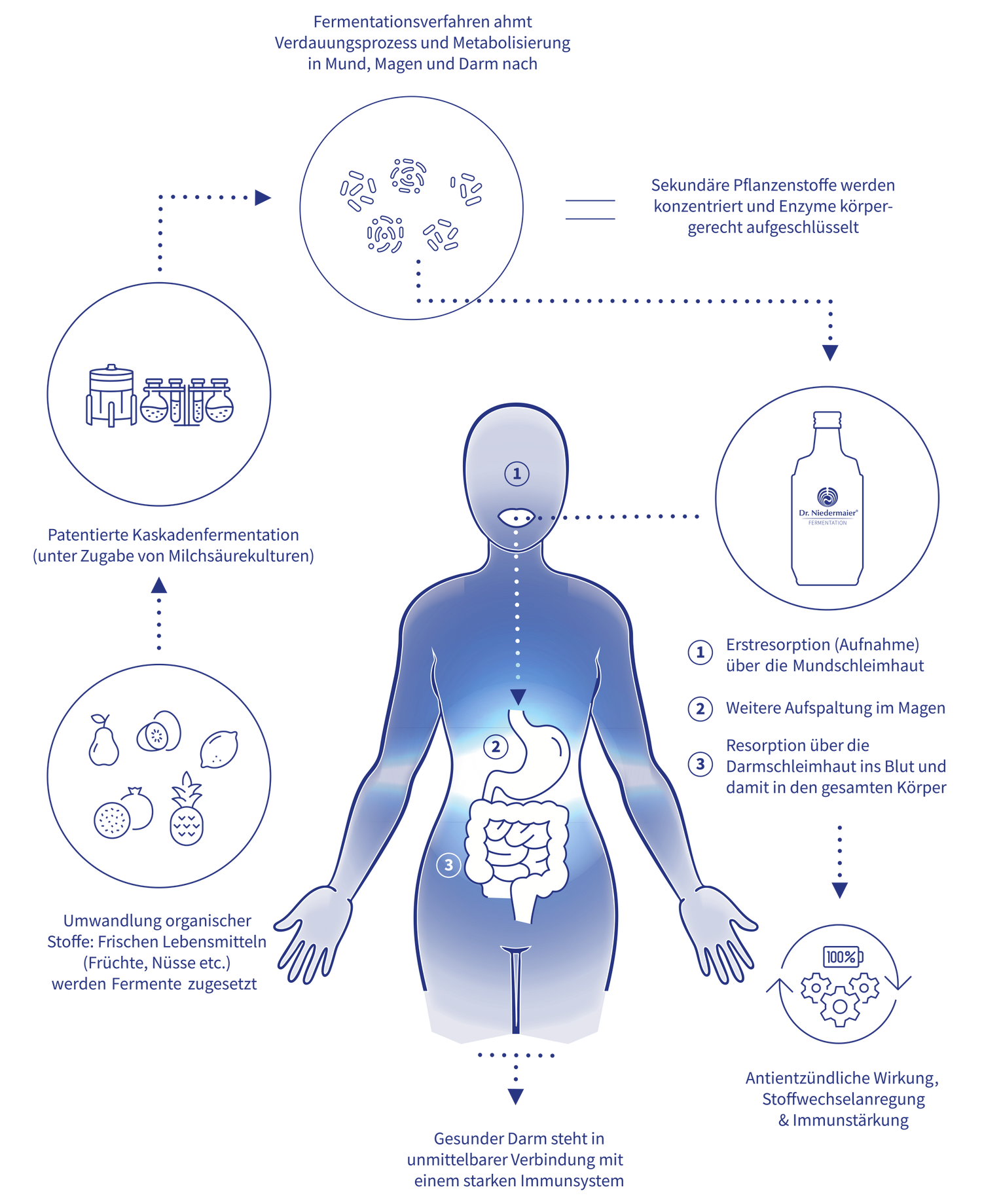
Cascade fermentation represents the gold standard in nutrient breakdown. In this multi-stage fermentation process, successive fermentation steps mimic the body's natural digestive system. The result is Regulatessenz®—an ingredient found in all Regulat® and Regulatpro® products from Dr. Niedermaier®.
Step 1 – High-quality ingredients
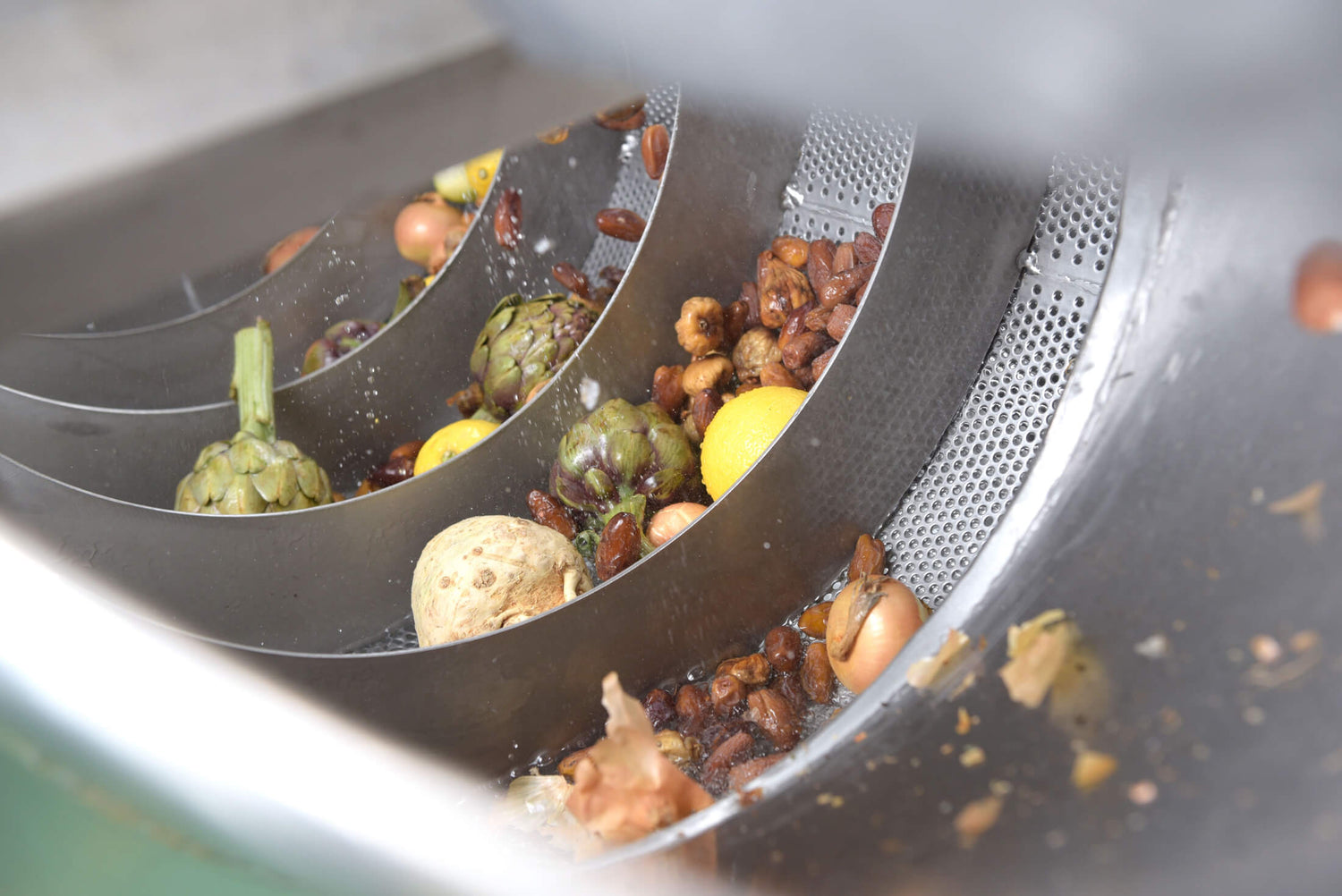
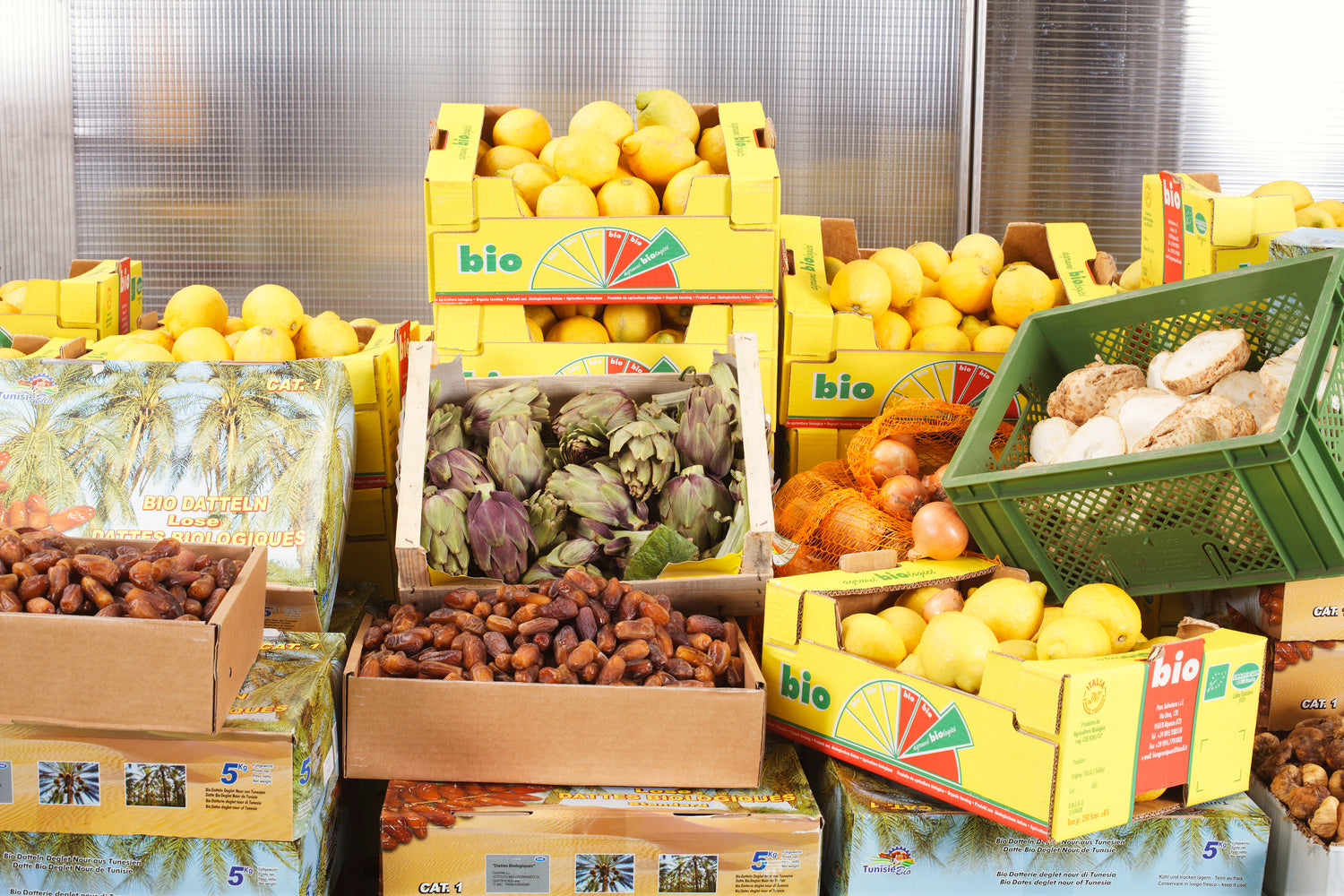
Fresh, sun-ripened organic fruits, nuts, and vegetables are washed, chopped, and placed into a fermentation tank. Lactobacilli (lactic acid bacteria) are added to the mixture, producing dextrorotatory L(+)-lactic acid. The initial fermentation begins after approximately two days.
Step 2 – increasingly fine subdivision
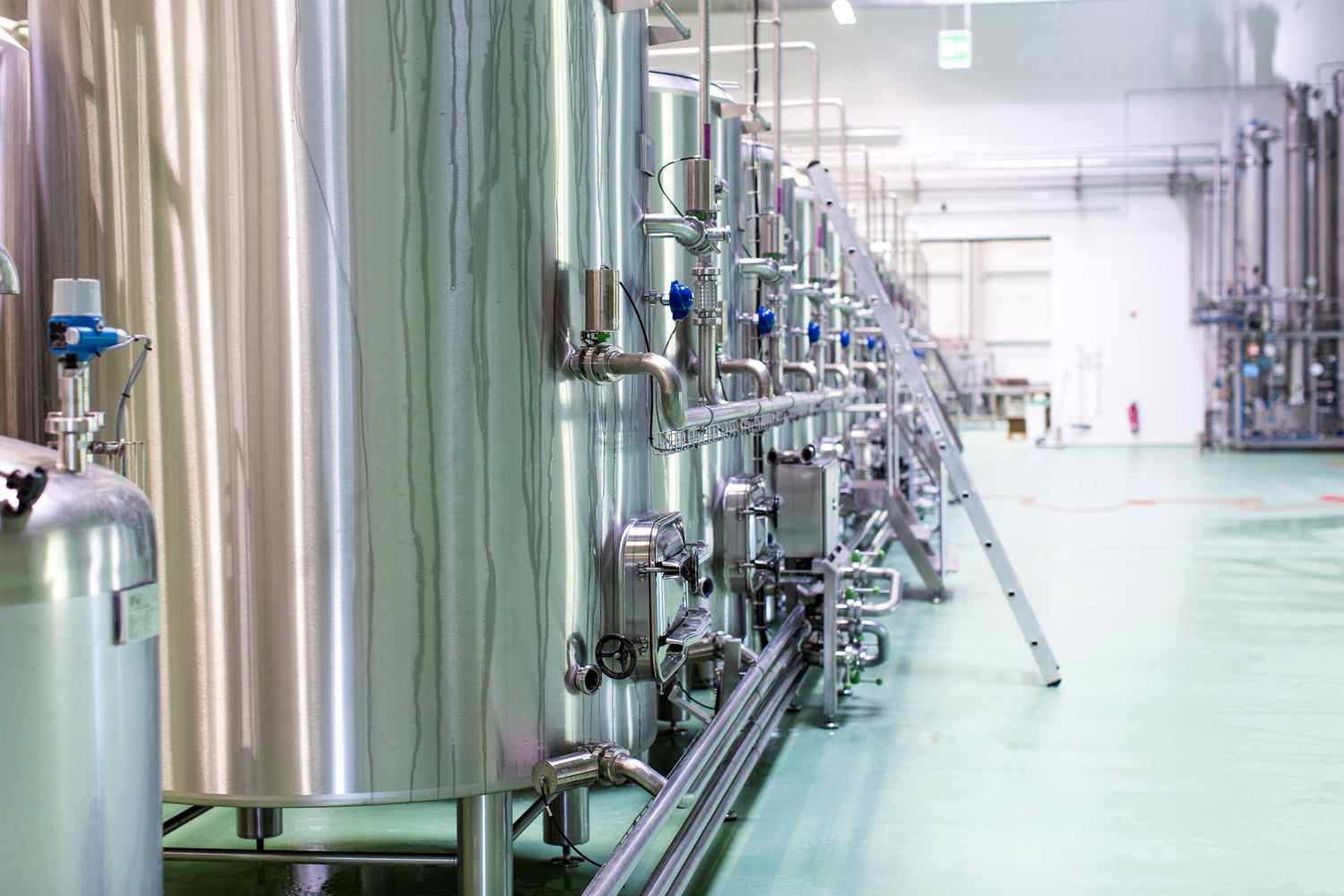
The first partial fermentation takes place after approximately two to three weeks. The mixture is set up for fermentation again with the addition of fresh lactic acid bacteria. Further fermentation stages follow this same principle, thereby achieving an increasingly fine breakdown of the constituents.
Step 3 – Regulatessenz® perfected
All fermentation fractions are combined, subjected to a further overall fermentation process, and finally centrifuged. The ingredients are now present in a uniquely broken-down form. Thanks to the gentle, specialized cascade fermentation process, the production of Regulatessenz® requires no preservatives, chemical additives, sugar, or alcohol.
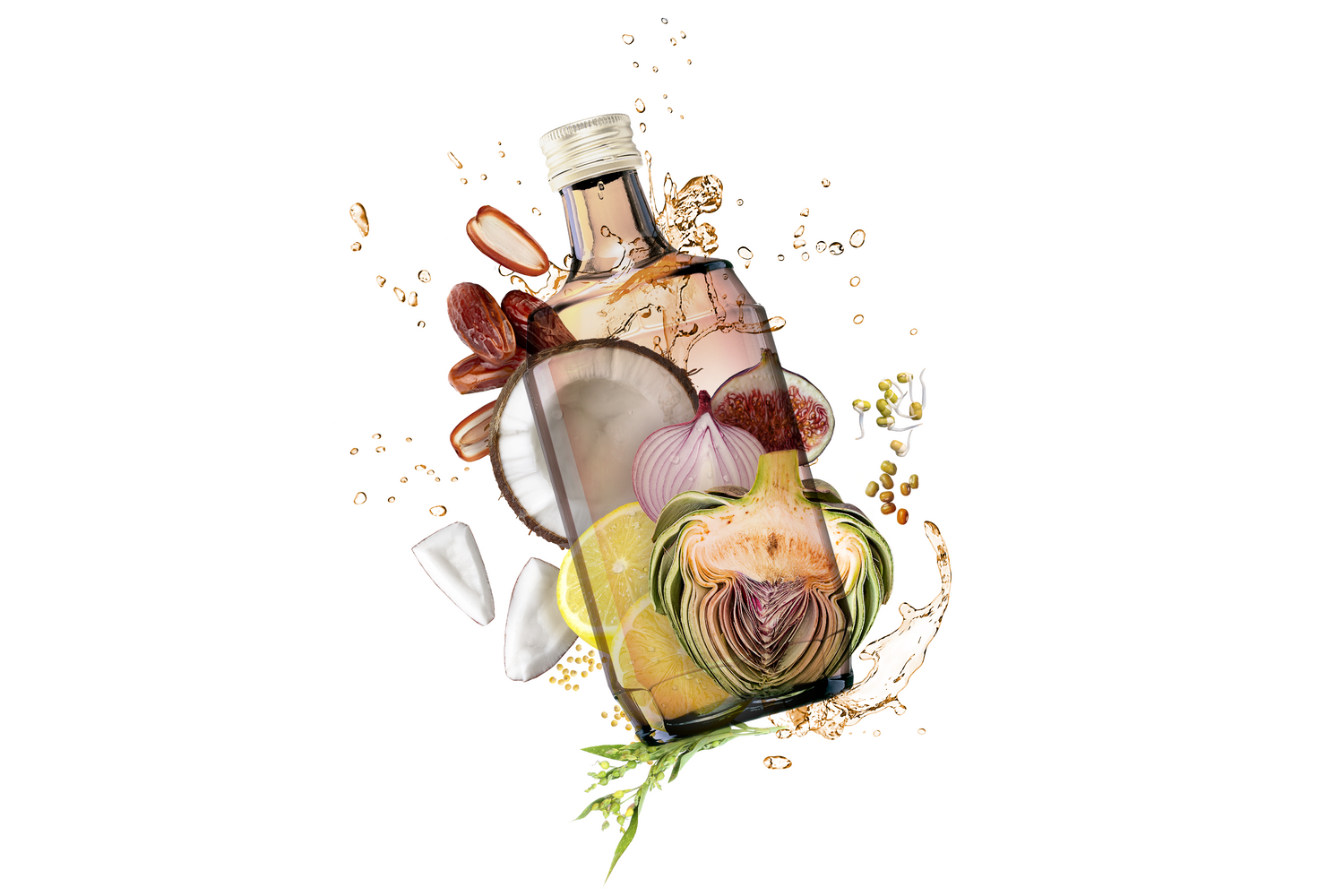
Ingredients of Regulatessenz®
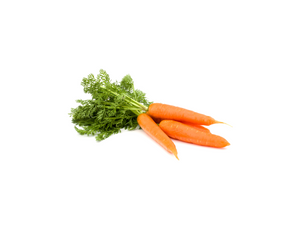
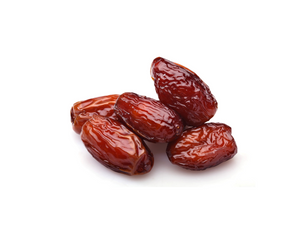
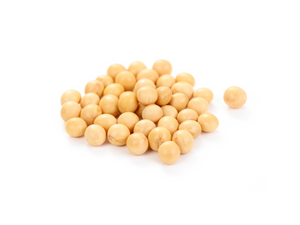
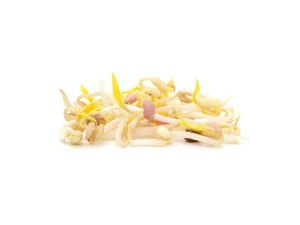
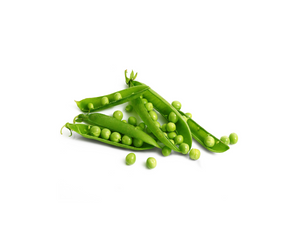
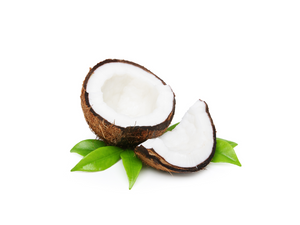
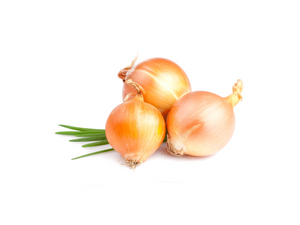
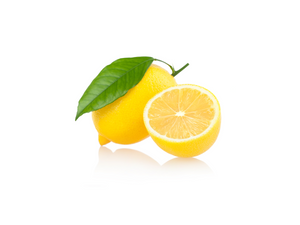
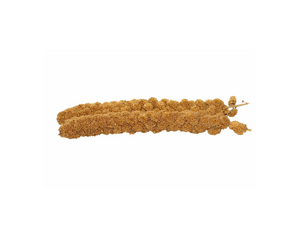
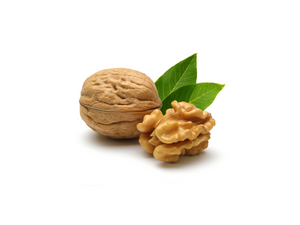
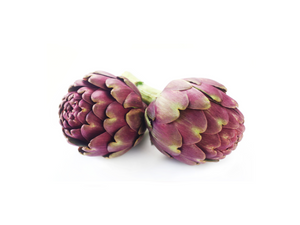
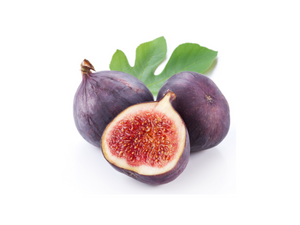
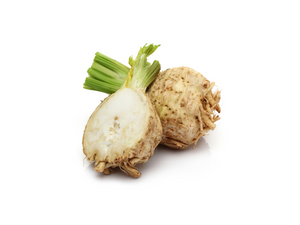
Contained in Regulatessenz 2.0®Carrots
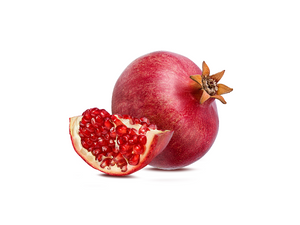
Contained in Regulatessenz 2.0®Pomegranate
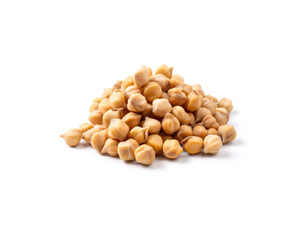
Contained in Regulatessenz 2.0®Chickpeas
Contained in Regulatessenz 2.0®Dates
Contained in Regulatessenz 2.0®Soybeans
Contained in Regulatessenz 2.0®Mung bean sprouts
Contained in Regulatessenz 2.0®Peas
Contained in Regulatessenz 2.0®Coconuts
Contained in Regulatessenz 2.0®Onions
Contained in Regulatessenz 2.0®Lemons
Contained in Regulatessenz 2.0®Millet
Contained in Regulatessenz 2.0®Walnuts
Contained in Regulatessenz 2.0®Artichokes
Contained in Regulatessenz 2.0®Figs
Contained in Regulatessenz 2.0®Celery
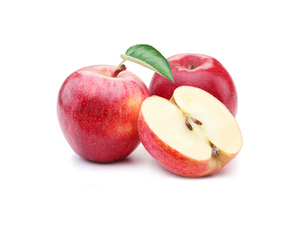
Contained in Regulatessenz 2.0®Apples
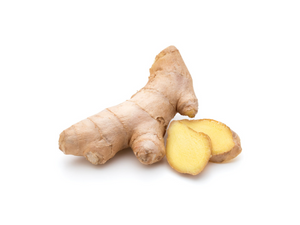
Contained in Regulatessenz 2.0®Ginger
Patented innovation
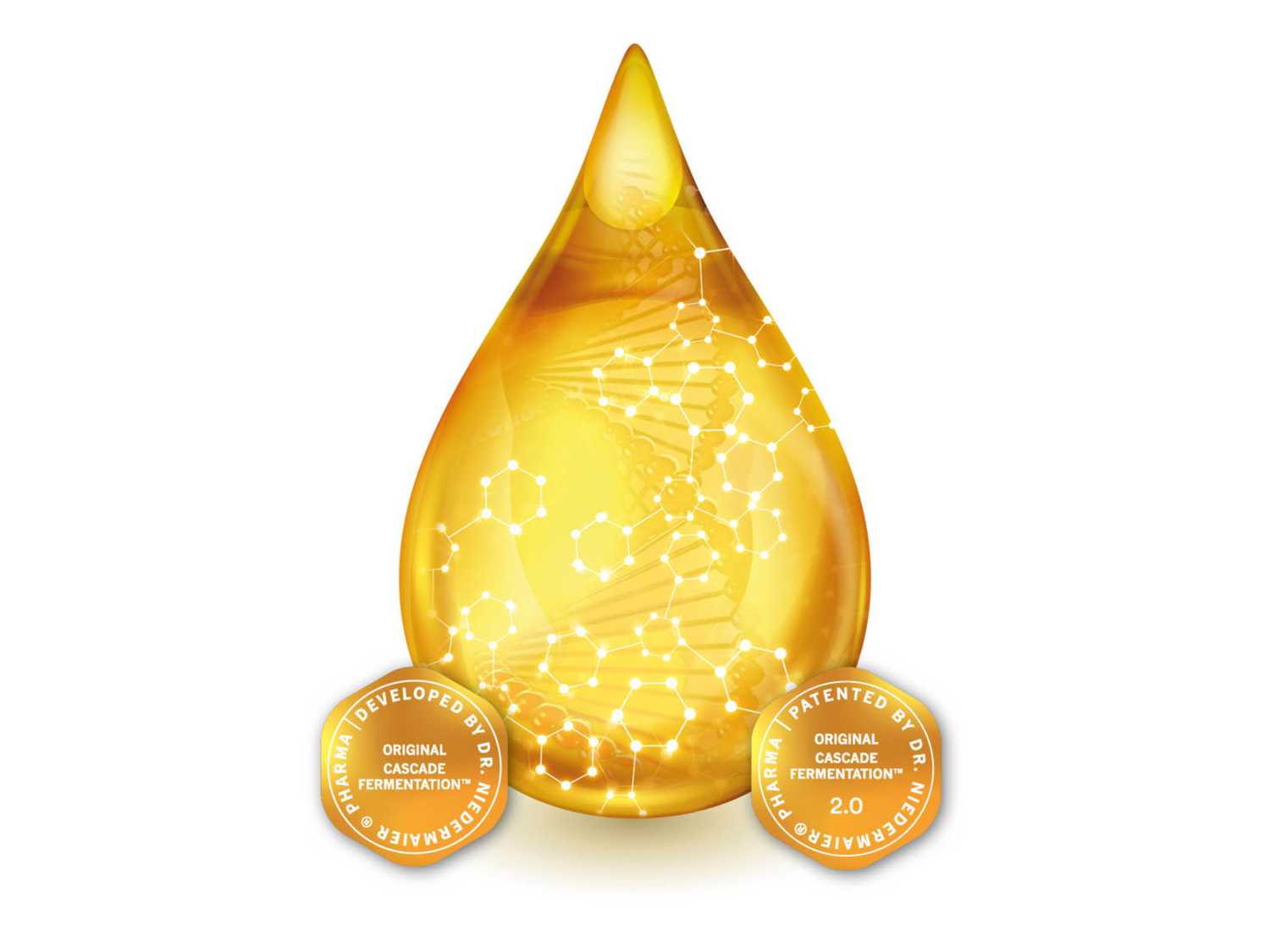
Cascade Fermentation™, developed by Dr. Niedermaier Pharma, represents a unique advancement in the field of fermentation. The patent certificate—registered with the European Patent Office under No. 1153549—marks a milestone in the history of fermentation.
What is the secret of Regulatessenz®?
Through cascade fermentation, valuable secondary plant compounds are sustainably released from the plant matrix and concentrated in Regulatessenz®.
The enzymes from the plant-based ingredients are broken down into smaller enzyme components and are present in Regulatessenz® as Stammenzyme®. All substances are dissolved in dextrorotatory lactic acid, which is naturally produced during the cascade fermentation process.
Allergy-triggering proteins are converted into non-allergenic oligopeptides and amino acids, confirming the many years of experience of this traditional family-owned company.
Regulatessenz® is a highly concentrated plant-based enzyme preparation that can be readily absorbed by the body. This treasure trove of nature is vegetarian and free from added sugar, gluten and preservatives.
Absorption in the body
Cascade fermentation simulates the natural digestive and metabolic processes in the mouth, stomach, and intestines.